
Taking Steps Toward Safety
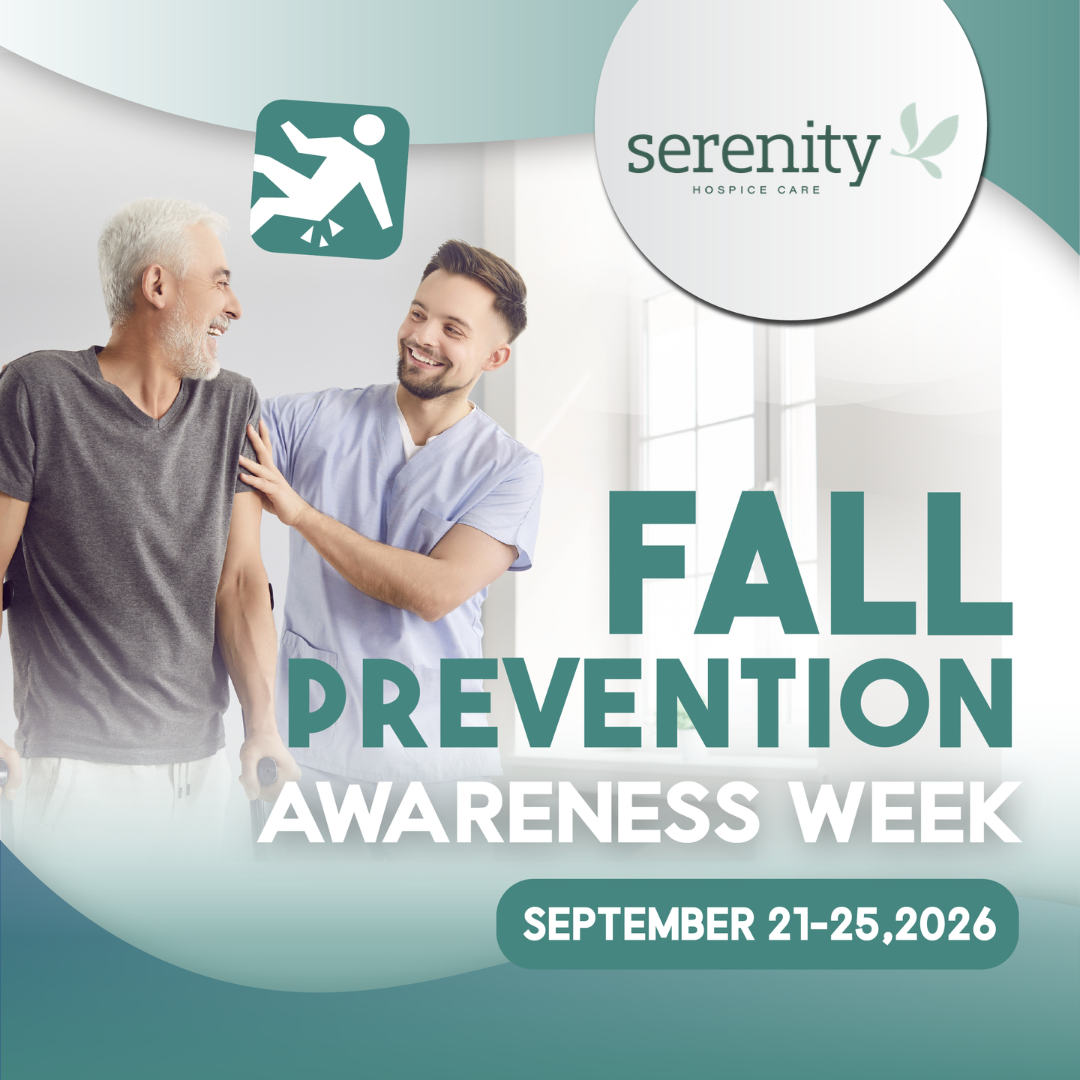
Fall Prevention Awareness Week is observed September 21–25, 2026, bringing attention to practical ways older adults can reduce their risk of falls and maintain independence. Led by the National Council on Aging (NCOA), the annual observance emphasizes that falls are preventable and encourages older adults, families, caregivers, and healthcare professionals to take action.
Why Fall Prevention Matters
Falls are one of the most significant safety concerns for older adults. According to the CDC, more than 1 in 4 adults age 65 and older falls each year. Falls can lead to fractures, head injuries, hospitalizations, and loss of independence. They are also the leading cause of injury-related death among older adults.
The good news? Aging does not mean a fall is inevitable. Identifying risk factors early can help people take meaningful steps toward safer daily living.
What Can Increase Fall Risk?
Several factors can contribute to falls, including:
- Muscle weakness or balance difficulties
- Vision or hearing changes
- Certain medications
- Poor lighting
- Loose rugs or clutter
- Uneven flooring
- Improper or unsafe footwear
Regular conversations with healthcare professionals can help identify individual risks and appropriate prevention strategies.
Six Simple Steps to Help Prevent Falls
NCOA highlights several practical strategies: participate in strength and balance exercises, talk with a healthcare provider about fall risks, review medications, schedule vision and hearing checks, keep living spaces safe, and discuss fall prevention with family and friends.
Building Confidence Through Prevention
Fall Prevention Awareness Week is a reminder that small changes can make a meaningful difference. By staying active, recognizing potential hazards, and asking for help when needed, older adults can take proactive steps toward safety, confidence, and continued independence, not just during this week, but throughout the year!