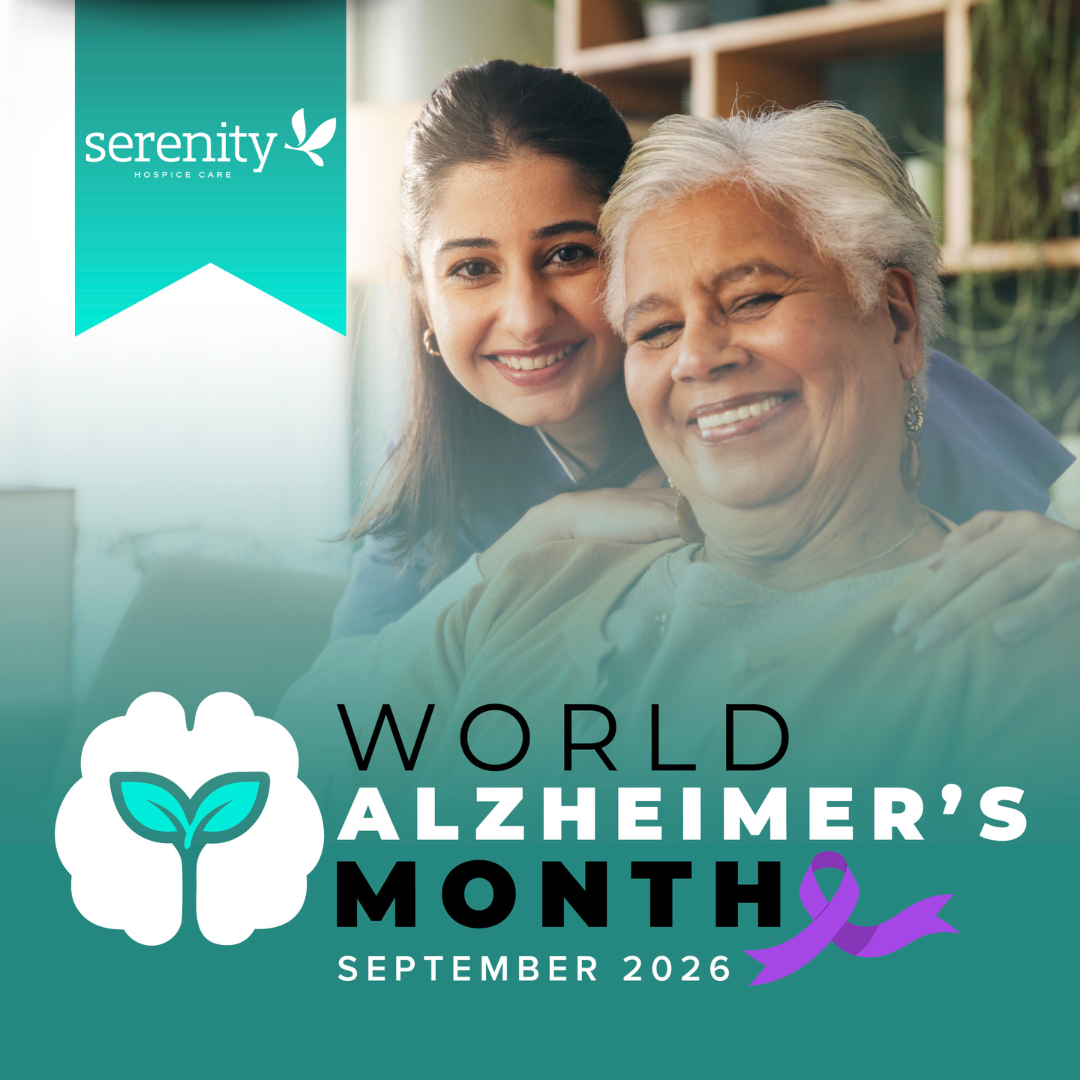
Raising Awareness, Understanding the Disease, and Supporting Those Affected September is World Alzheimer’s Month, an important time to raise awareness about Alzheimer’s disease, challenge misconceptions, and encourage greater understanding and support for people living with dementia and their families. Alzheimer’s disease is the most common form of dementia. It is a progressive brain disorder that …

Raising Awareness, Understanding the Disease, and Supporting Those Affected
September is World Alzheimer’s Month, an important time to raise awareness about Alzheimer’s disease, challenge misconceptions, and encourage greater understanding and support for people living with dementia and their families.
Alzheimer’s disease is the most common form of dementia. It is a progressive brain disorder that gradually affects memory, thinking, communication, and the ability to carry out everyday activities. While Alzheimer’s is more common among older adults, it is not a normal part of aging.
What Is Alzheimer’s Disease?
Alzheimer’s disease affects the brain and gradually damages the connections between brain cells. Over time, this can lead to increasing difficulties with memory, reasoning, communication, and daily functioning.
Early symptoms may be subtle and can include:
- Forgetting recently learned information
- Repeating questions or conversations
- Having difficulty finding the right words
- Misplacing items or putting them in unusual places
- Struggling with familiar tasks
- Becoming confused about dates, times, or places
- Experiencing changes in mood, behavior, or personality
Everyone experiences occasional forgetfulness, but persistent changes that interfere with daily life should be discussed with a healthcare professional.
Alzheimer’s Is More Than Memory Loss
Although memory problems are often associated with Alzheimer’s, the disease can affect many areas of a person’s life. Individuals may eventually experience difficulties with decision-making, movement, communication, eating, personal care, and recognizing familiar people or surroundings.
The progression of Alzheimer’s varies from person to person. There is currently no cure, but medical care, appropriate treatments, healthy lifestyle habits, supportive environments, and meaningful activities can help people maintain quality of life and independence for as long as possible.
The Importance of Early Detection
Recognizing changes early can make a meaningful difference. A healthcare professional can evaluate symptoms, identify other possible causes of cognitive changes, and help develop an appropriate care plan.
An early diagnosis may also give individuals and families more time to:
- Understand the condition
- Explore available treatment and support options
- Plan for future care needs
- Discuss financial and legal arrangements
- Make important decisions while the individual can actively participate
Supporting Someone Living With Alzheimer’s
People living with Alzheimer’s benefit from patience, respect, consistency, and understanding. Simple communication strategies can make everyday interactions easier.
Caregivers and family members can help by:
- Speaking calmly and using simple, clear language
- Allowing extra time for responses
- Maintaining familiar routines
- Encouraging safe and appropriate physical activity
- Providing opportunities for social interaction
- Focusing on abilities rather than limitations
- Creating a safe and comfortable environment
- Offering reassurance when the person becomes confused or anxious
Most importantly, remember that a person living with Alzheimer’s is still the same individual with their own history, personality, preferences, and relationships.
Supporting Caregivers Matters, Too
Caring for someone with Alzheimer’s can be rewarding, but it can also be physically and emotionally demanding. Caregivers may experience stress, fatigue, isolation, or feelings of uncertainty.
Taking breaks, accepting help from family and friends, connecting with caregiver support groups, and speaking with healthcare professionals can help caregivers protect their own well-being.
Asking for help is not a sign of weakness. It is an important part of providing sustainable care.
Building Greater Awareness
World Alzheimer’s Month provides an opportunity to have open conversations about dementia and reduce the stigma that can sometimes surround cognitive changes.
Learning about Alzheimer’s, recognizing early warning signs, supporting caregivers, and treating people living with dementia with dignity can help create more understanding and compassionate communities.
This September, let’s use World Alzheimer’s Month 2026 as a reminder that awareness begins with understanding—and that every person affected by Alzheimer’s deserves compassion, respect, and meaningful support.