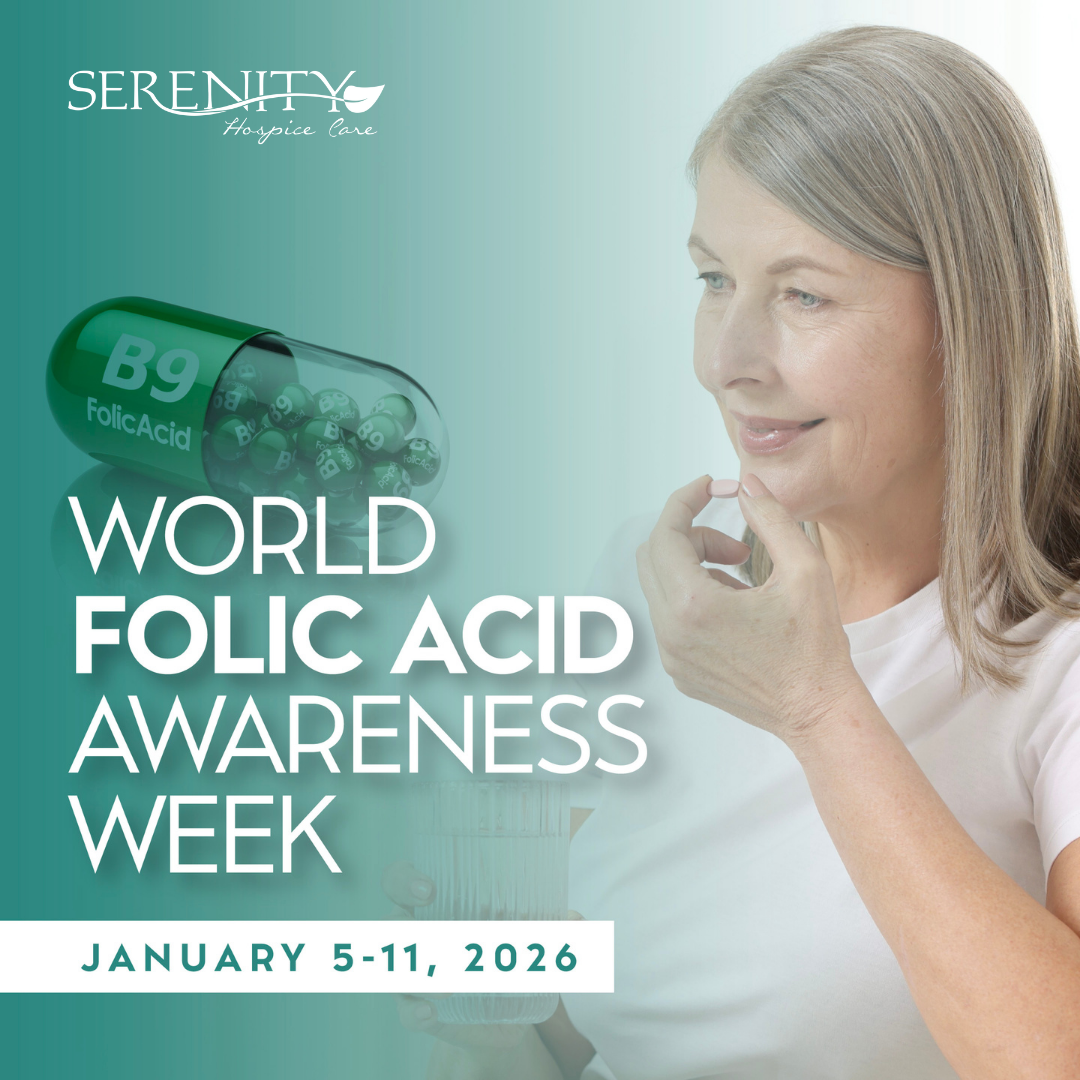
World Folic Acid Awareness Week
Small Vitamin, Lifesaving Impact
World Folic Acid Awareness Week highlights the crucial role of folic acid (vitamin B9) in preventing serious birth defects and supporting overall health. Despite being widely available, folic acid deficiency remains a global public health concern, especially among women of reproductive age.
What Is Folic Acid?
Folic acid is the synthetic form of folate, a B-vitamin essential for:
- DNA synthesis and cell division
- Red blood cell formation
- Proper growth and development during pregnancy
Adequate intake before and during early pregnancy can prevent neural tube defects (NTDs) such as spina bifida and anencephaly.
Why Awareness Matters
Many pregnancies are unplanned, and neural tube development occurs within the first 28 days of conception, often before a woman knows she is pregnant.
Low folate levels are linked to:
- Neural tube defects
- Megaloblastic anemia
- Increased risk of pregnancy complications
- Fatigue and poor immunity
Raising awareness helps ensure timely intake and prevention.
Who Needs Folic Acid the Most?
- Women planning pregnancy or of childbearing age
- Pregnant women
- Adolescents
- Individuals with anemia or poor dietary intake
Dietary Sources of Folate
Include folate-rich foods in daily meals:
- Green leafy vegetables (spinach, lettuce)
- Lentils, chickpeas, and beans
- Citrus fruits
- Fortified grains and cereals
Supplementation is often recommended, especially for women planning pregnancy.
Key Takeaway
Folic acid is more than just a supplement; it’s a preventive tool for lifelong health. This awareness week is a reminder to educate, supplement wisely, and promote healthier futures for mothers and children alike.